
Work and Construction Injuries
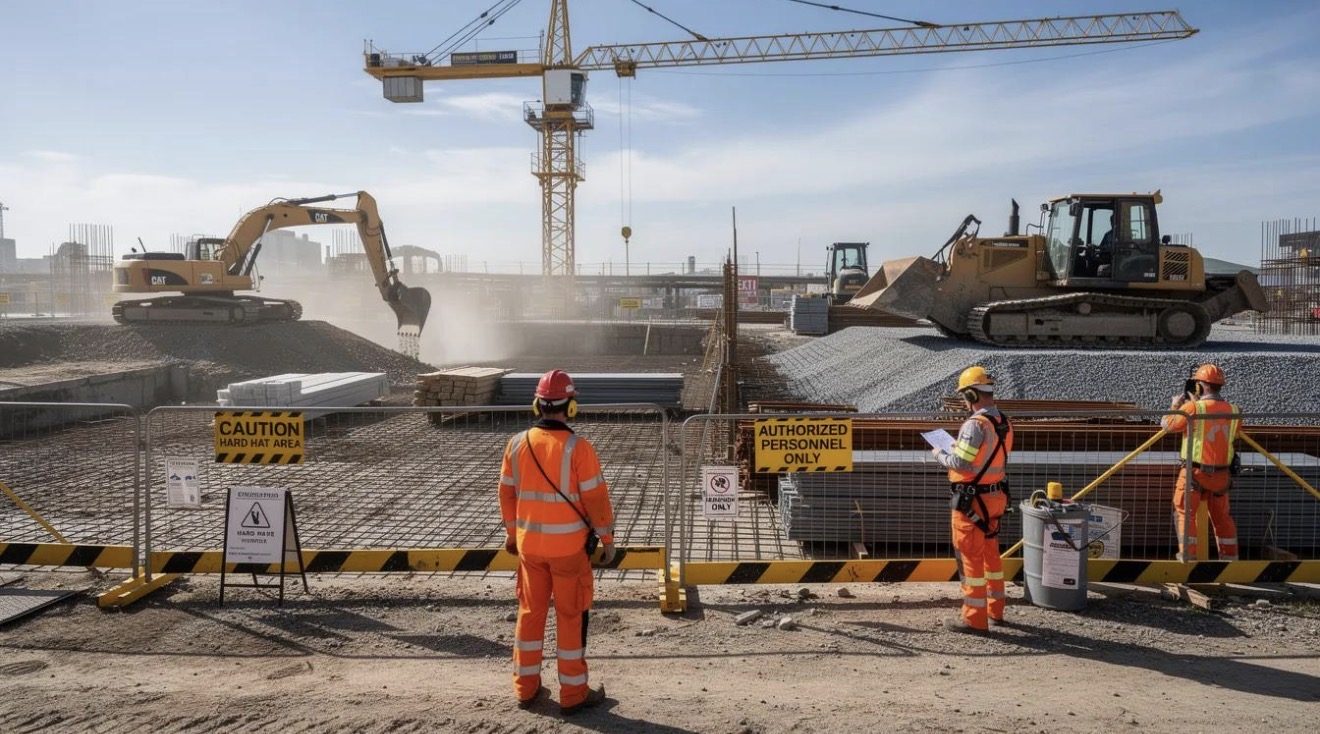
Texas is the only state that does not require most private employers to carry workers' compensation. That makes the questions after a work injury more complicated: Does your employer have coverage? Was another company on the job site responsible? We look at every possible claim, not just the one your employer tells you about.
Common causes
- Falls from scaffolds, ladders and roofs
- Struck-by accidents from equipment or falling objects
- Trench and wall collapses
- Electrocution
- Forklift and heavy-equipment accidents
- Missing safety gear or training
Common injuries
- Back and spine injuries
- Head injuries
- Broken bones
- Burns
- Amputations
- Wrongful death
Who may be responsible
- An employer without workers' comp (a "non-subscriber")
- A general contractor or subcontractor
- The property owner
- The maker of defective tools or equipment
What to do now
- Report the injury to your employer in writing
- Get medical care and tell the doctor it happened at work
- Write down the names of co-workers who saw it
- Ask whether your employer has workers' compensation
- Do not sign a release or "injury benefit plan" waiver before calling us
Texas law note: If your employer is a non-subscriber, you may be able to sue for negligence, and the employer loses some of its usual defenses. Even if your employer has workers' comp, you may still have a separate claim against another company on the job. Report a work injury to your employer within 30 days.
General information only, not legal advice. Every case depends on its facts.
Other cases we handle
18-Wheeler and Truck AccidentsCar AccidentsMotorcycle AccidentsPedestrian and Bicycle AccidentsUber, Lyft and Rideshare AccidentsDrunk Driving AccidentsHit-and-Run and Uninsured DriversBus AccidentsOil Field AccidentsRefinery, Plant and Chemical ExplosionsCatastrophic InjuriesWrongful DeathSlip and Falls and Premises InjuriesDog Bites